

The Importance of Regular Checkups in Preventive Care

From Kristie Quarles Washington, MSN, APRN, FNP-C
Family Nurse Practitioner
October is Breast Cancer Awareness Month, but caring for our breast health should be a priority all year long.
As a Family Nurse Practitioner, one of the most important messages I share with patients is simple: early detection matters. Breast cancer is one of the most diagnosed cancers among women, and while we cannot prevent every case, knowing your individual risk and staying up to date with recommended screenings can make a meaningful difference.
Know What Is Normal for You
Breast awareness means becoming familiar with how your breasts normally look and feel. You do not have to become an expert or spend every day worrying about changes. Instead, pay attention to your body and speak with a healthcare provider if something seems different.
Changes that should be discussed with a provider:
- A new lump or thickening in the breast or underarm
- A noticeable change in breast size, shape, or appearance
- Skin dimpling, puckering, redness, or other unusual skin changes
- A nipple that becomes inverted or changes in appearance
- Nipple discharge, particularly if it is bloody
- Persistent breast or nipple pain
- Swelling involving part or all of the breast
Many breast changes are not cancerous, but they still deserve attention. If something does not feel right, do not wait for your next annual physical to mention it.
Know Your Risk Factors
Breast cancer risk is not the same for everyone. Age, family history, genetics, previous breast conditions, reproductive history, breast density, alcohol use, physical activity, and other factors all can influence an individual’s risk.
One of the best things you can do is have a conversation with your health care provider about your personal and family history. Depending on your risk, you may need a different screening schedule or additional testing.
And remember having no family history of breast cancer does not mean you have no risk.
Make Screenings a Priority
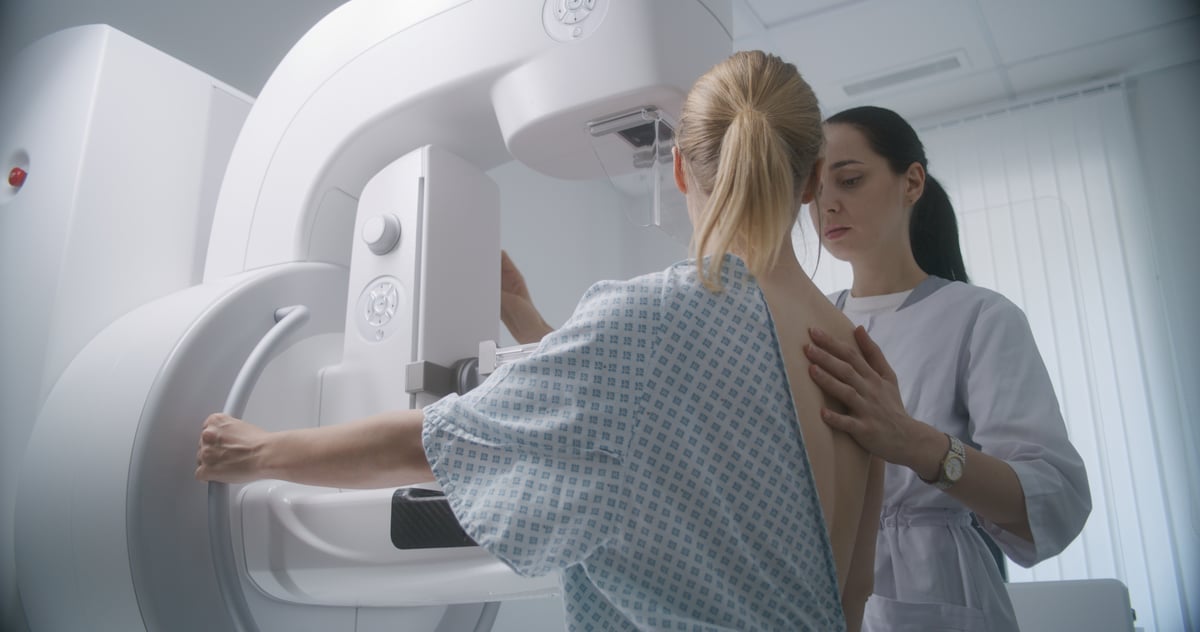
Mammograms can detect breast cancer before a lump can be felt or symptoms develop. Screening recommendations can vary based on age and individual risk, which is why your screening plan should be a conversation between you and your healthcare provider.
We often find time for work deadlines, family responsibilities, school activities, appointments for our children, and countless other obligations. Your health deserves a place on the calendar, too.
If you have been putting off your mammogram, consider this your reminder to make the appointment.
Prevention Is Bigger Than One Test
There is no guaranteed way to prevent breast cancer, but healthy habits can support your overall health and may help reduce risk. Some of these habits include:
-
Regular physically activity
-
Maintaining a healthy weight
-
Limiting alcohol
-
Avoiding tobacco
-
Eating a healthy, balanced diet
-
Keeping up with routine preventive care and screenings
Awareness Should Lead to Action
Wearing pink and sharing information during Breast Cancer Awareness Month can help start important conversations, but awareness is most powerful when it leads to action.
Questions to ask yourself:
-
Am I up to date on my breast cancer screening?
-
Do I know my family history?
-
Have I discussed my individual risk with my healthcare provider?
-
Is there a change in my breast that I have been ignoring?
If the answer to any of these questions gives you pause, make that next step.
As health care providers, we are here not only when something is wrong, but also to help you stay well. Preventive care gives us an opportunity to identify risks early, answer questions, coordinate appropriate screening, and help you make informed decisions about your health.
This Breast Cancer Awareness Month, encourage the women in your life to prioritize themselves, too. Send the text. Make the appointment. Ask the question. Schedule the mammogram.
Early detection can save lives—and taking care of yourself is always worth the time. Find time with a CloseKnit Primary Care Provider today to discuss any concerns and your overall health.
