
Why Should I Get a Flu Shot?
Nearly 138 million Americans have diabetes, with approximately 1 in 4 (about 8.7 million) adults being unaware that they have it. Another 98 million have prediabetes, and most have never been told.
Diabetes occurs when blood sugar levels become too high. Over time, uncontrolled diabetes can affect the heart, kidneys, eyes, and nerves. While type 1 diabetes cannot currently be prevented, type 2 diabetes can sometimes be prevented or delayed through early detection and healthy lifestyle changes.
What is Hemoglobin A1c?
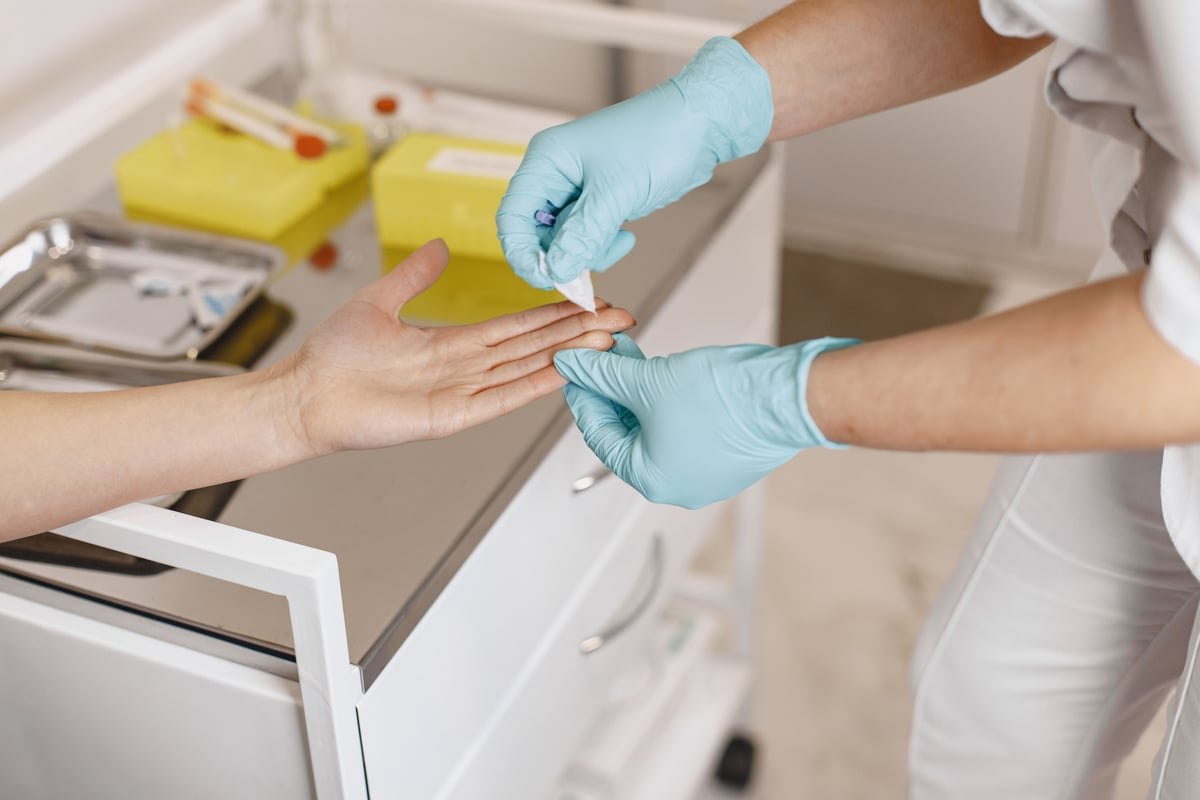
The hemoglobin A1c (HbA1c) is a blood test that measures your average blood sugar over about three months. It helps your Care Team identify prediabetes, diagnose diabetes, and monitor blood sugar control.
Understanding your A1C results:
- Below 5.7%: Normal
- 5.7% - 6.4%: Prediabetes
- 6.5% or higher: Diabetes range
An official diabetes diagnosis generally requires confirmatory testing.
What Raises Your Risk of Type 2 Diabetes?
Your risk of developing type 2 diabetes may be higher if you:
- Have a family history of diabetes
- Are carrying extra weight, especially around the waist
- Have high blood pressure or high cholesterol
- Had diabetes during a past pregnancy (gestational diabetes)
- Do not get enough physical activity
Risk also climbs with age and certain health conditions. Keep in mind: diabetes can develop even with no family history at all.
Recognize the Warning Signs
Diabetes may develop without obvious symptoms. Changes worth discussing with your Care Team include:
- Increased thirst or frequent urination
- Unexplained fatigue or weight loss
- Blurred vision
- Slow healing wounds
- Frequent infections
Small Changes Can Make a Big DIfference
Healthy habits can lower your risk of type 2 diabetes and support your overall health:
- Regular physical activity
- Balanced nutrition
- Reaching and maintaining a healthy weight
- Adequate sleep
- Keeping up with preventive appointments
Diabetes awareness is about more than recognizing a condition – it is about taking an active role in your health.
Questions to ask yourself:
- Do I know my most recent A1C?
- Am I due for diabetes screening?
- Do I understand my personal risk factors?
- What changes can I make to improve my health?
As your Primary Care Team, we are here to help you understand your numbers, identify potential risks, and build a personalized plan.
Make your health a priority. Schedule your preventive care appointment, ask about your A1C, and take the next step toward a healthier future.